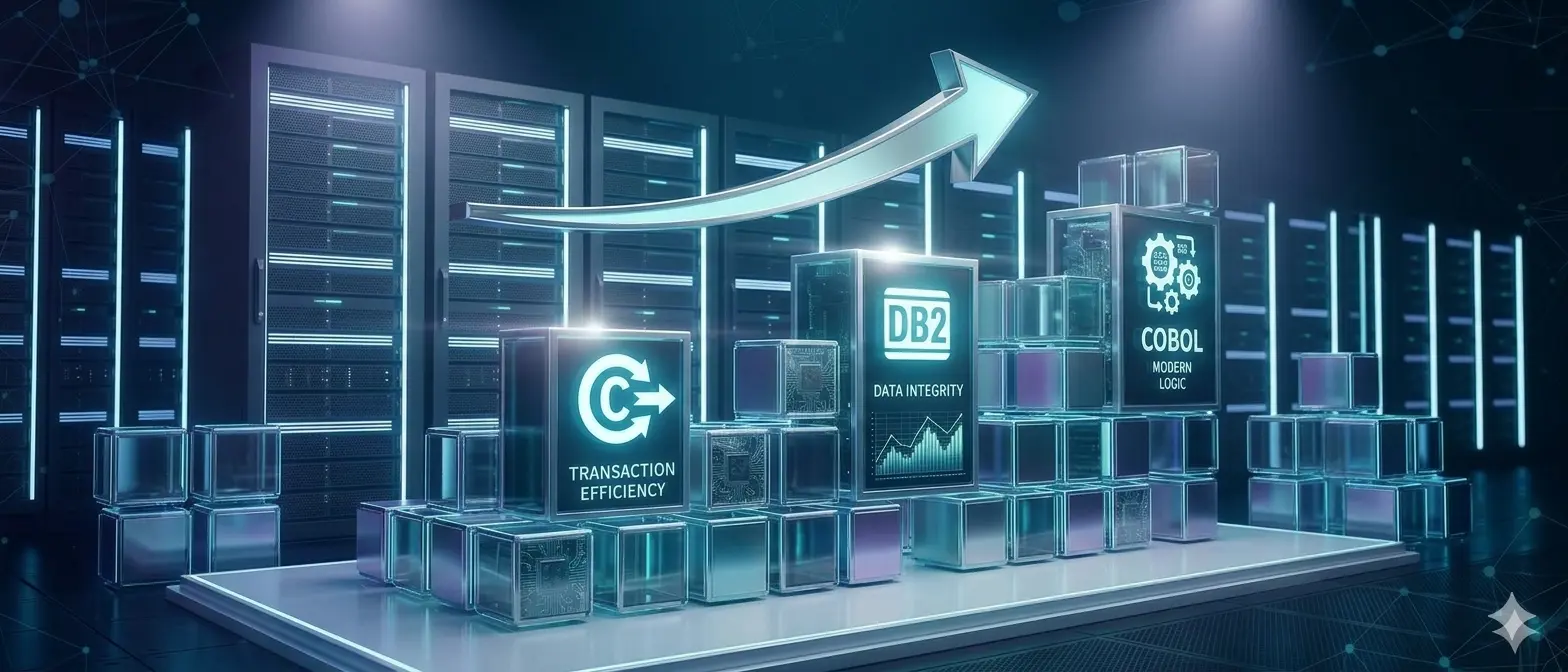
Reasons to Migrate PL/I, Easytrieve, COOL:Gen, or APS Applications to CICS/DB2/COBOL
The decision to modernize an environment that includes PL/I, Easytrieve, and application generators such as COOL:Gen or APS is one of the most strategic considerations for large corporations that still rely on mainframes. It is not merely a technological change, but a response to profound transformations in the business and technology landscape. The main reasons to modernize an environment with PL/I, Easytrieve, COOL:Gen, or APS can be grouped into four critical areas:
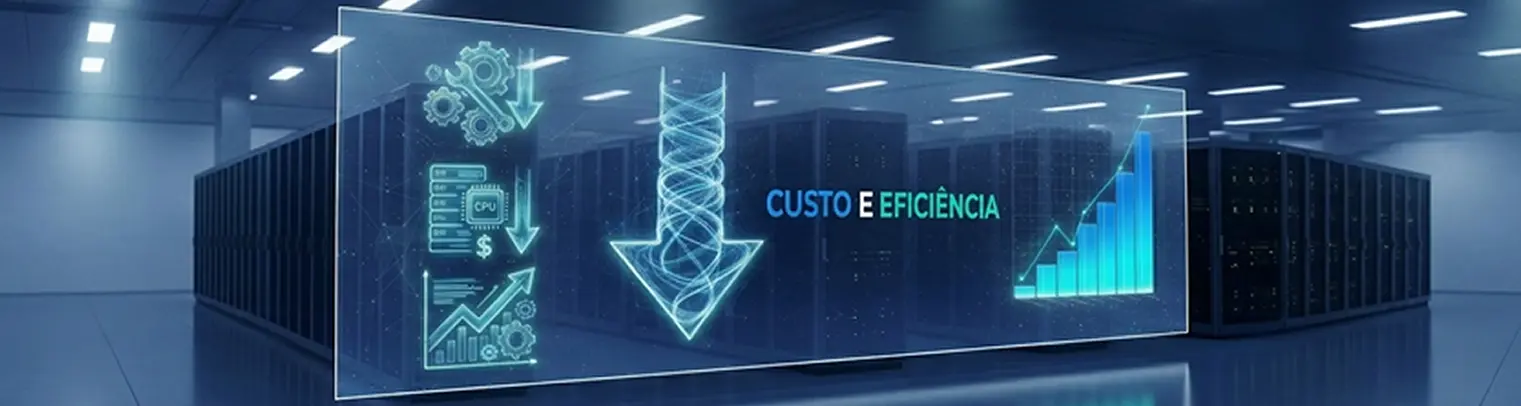
1. Cost and Efficiency
- Maintenance Cost Reduction: Maintaining a mainframe environment with PL/I, Easytrieve, COOL:Gen, or APS is expensive. Costs include software licensing (often based on MSU – Million Service Units), specialized hardware, and robust data center infrastructure. As a result, the cost of maintaining the legacy environment becomes significantly high.
- MSU Cost Reduction: Modernization, through the conversion of PL/I, Easytrieve, COOL:Gen, or APS to DB2/CICS/COBOL, drastically reduces MSU consumption on the mainframe, generating significant operational savings.
- Resource Optimization: Modern environments offer more flexible cost models, eliminating the need for large capital investments in hardware and software. Most environments that run PL/I, Easytrieve, COOL:Gen, or APS already include DB2/CICS/COBOL. Therefore, converting applications allows organizations to eliminate the costs associated with these software platforms.
2. Talent Shortage and Knowledge Risk
- Retirement of Specialists: The generation of programmers with deep expertise in PL/I, Easytrieve, COOL:Gen, or APS is retiring. Finding new professionals with these skills is extremely difficult and costly
- Learning Curve: For new developers who are already familiar with COBOL/CICS/DB2, the learning curve for PL/I, Easytrieve, COOL:Gen, or APS is very steep. This creates a bottleneck for both system development and maintenance
- Operational Risk: The loss of institutional knowledge about how legacy systems operate represents a serious risk. If a critical failure occurs, there may be no one within the organization with the knowledge required to resolve the issue quickly.
3. Business Agility and Innovation
- Slow to Innovate: Environments that rely on PL/I, Easytrieve, COOL:Gen, or APS as application generators are typically monolithic and complex, making them slower to adapt. Implementing new features or integrating with new business partners may take months or even years, while competitors with modernized architectures (such as CICS/DB2/COBOL) can achieve the same results in weeks or months.
- Integration Challenges: Connecting COOL:Gen or APS applications with modern technologies such as APIs, mobile applications, and real-time analytics platforms is a significant technical challenge. Modernization enables the creation of an integrated digital ecosystem.
4. Technological and Security Risks
- Technological Obsolescence: Although Easytrieve, COOL:Gen, and APS are robust, they rely on architectures that are more than 40 years old. Remaining dependent on such outdated technologies may limit an organization’s ability to adopt future innovations. Easytrieve and COOL:Gen have already passed through three different companies and are currently owned by a fourth. In contrast, CICS/DB2/COBOL, in addition to being reliable and robust, continues to evolve under IBM’s long-term management.
- Complexity and Technical Debt: Decades of modifications and patches in PL/I, Easytrieve, COOL:Gen, or APS code have generated enormous technical debt. The result is fragile, poorly documented code that is difficult to maintain—a phenomenon often known as “spaghetti code.” This term describes poorly structured software that is excessively complex and difficult to understand, with many branches and logical jumps, much like a tangled plate of spaghetti. This leads to higher maintenance costs, greater debugging difficulty, longer development cycles, and increased machine resource consumption.
- Security: Although environments based on PL/I, Easytrieve, COOL:Gen, or APS are known for their security, integration with external systems may introduce vulnerabilities. Modern environments, or those under continuous evolution, are designed with updated security paradigms and receive constant updates to address emerging threats.
Conclusion
- Modernizing an environment based on PL/I, Easytrieve, COOL:Gen, or APS is more than a technological upgrade. It is a strategic business decision focused on reducing costs, mitigating risks, increasing agility, and enabling innovation. This decision ensures that the organization remains competitive and prepared for the challenges of the digital era.